Student Loan Forgiveness 2026: What Borrowers Need to Know for 10% Relief
Anúncios
Student Loan Forgiveness Updates: What Borrowers Need to Know by September 2026 for Potential 10% Relief
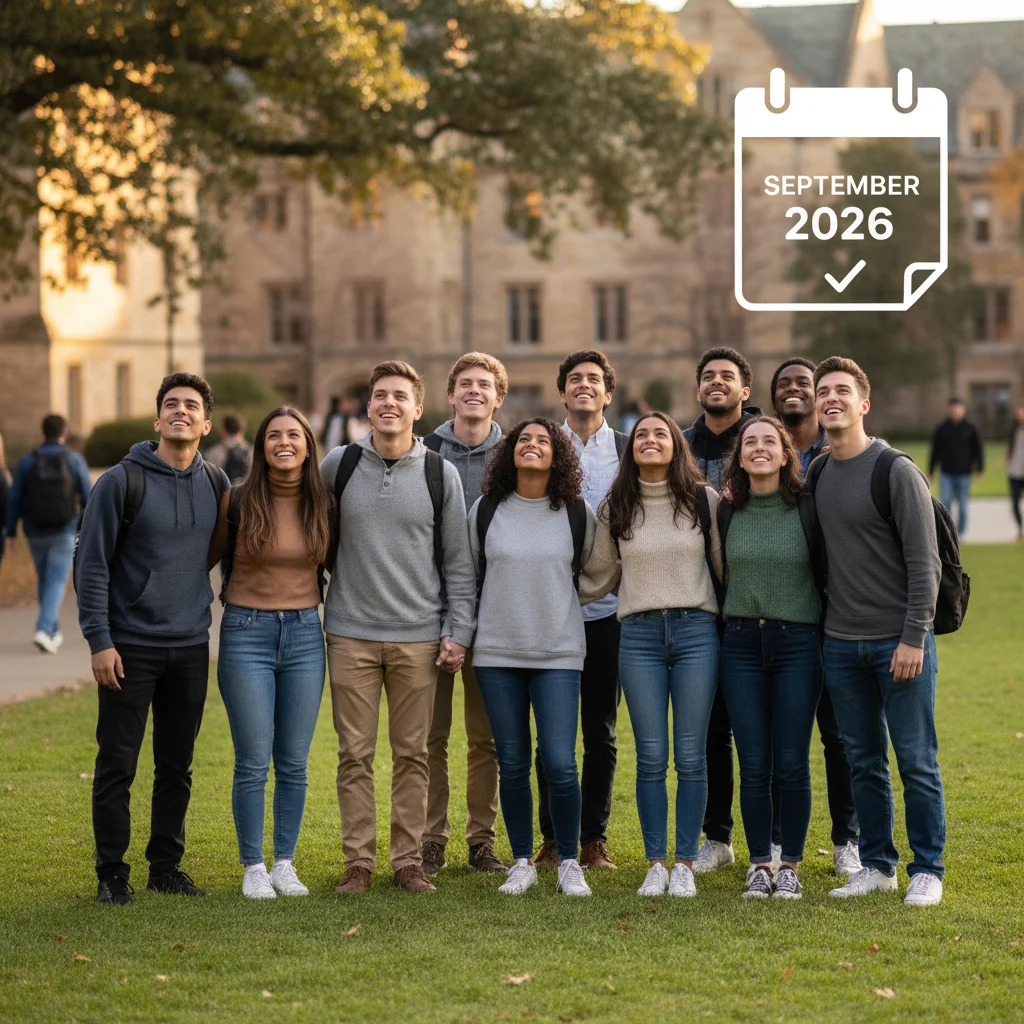
The landscape of student loan forgiveness is in constant flux, a topic of immense importance for millions of Americans burdened by educational debt. As we approach September 2026, a critical juncture for many federal student loan borrowers, understanding the latest updates and potential avenues for relief, including the possibility of 10% forgiveness, is paramount. This comprehensive guide aims to demystify the complexities surrounding student loan forgiveness, providing you with the essential information needed to navigate these waters effectively.
Anúncios
For years, the promise of student loan forgiveness has offered a beacon of hope to graduates and former students. However, the path to achieving this relief has often been winding and fraught with policy changes, legal challenges, and evolving criteria. The Biden administration has made significant strides in expanding eligibility for existing programs and introducing new initiatives, yet the specifics can be overwhelming. Our focus here is to distill these developments, particularly those pertinent to the September 2026 timeframe, ensuring you are well-equipped to understand your options and take decisive action.
Anúncios
The Current State of Student Loan Forgiveness: A Broad Overview
Before diving into the specifics of September 2026, it’s crucial to grasp the current ecosystem of student loan forgiveness. Several programs are currently active, each with distinct eligibility requirements and benefits:
Public Service Loan Forgiveness (PSLF)
The PSLF program remains a cornerstone of federal student loan forgiveness. Designed for individuals working in public service (government or non-profit organizations), it forgives the remaining balance on Direct Loans after 120 qualifying monthly payments. Recent adjustments, such as the Limited PSLF Waiver and the IDR Account Adjustment, have significantly expanded eligibility and made it easier for borrowers to count past payments towards forgiveness. The IDR Account Adjustment, in particular, is a game-changer, allowing more periods of repayment to count towards PSLF, potentially bringing many borrowers closer to their 120-payment threshold.
Income-Driven Repayment (IDR) Plan Forgiveness
IDR plans are designed to make monthly student loan payments more manageable by capping them at a percentage of your discretionary income. A key feature of IDR plans is that any remaining loan balance is forgiven after 20 or 25 years of payments, depending on the plan and the type of loans. The IDR Account Adjustment is also highly relevant here, as it aims to correct past administrative errors and ensure borrowers receive proper credit for payments made under various IDR plans, accelerating their path to forgiveness. This adjustment is particularly important for those who have been in repayment for a long time but haven’t seen progress towards forgiveness due to complex rules or administrative missteps.
Borrower Defense to Repayment
This provision allows for student loan forgiveness if a school engaged in misconduct, such as misrepresenting its programs or job placement rates. While not tied to a specific timeline like September 2026, ongoing efforts to process claims and expand relief under this program continue to impact many borrowers.
Total and Permanent Disability (TPD) Discharge
Borrowers who are totally and permanently disabled may be eligible to have their federal student loans discharged. This program has also seen streamlining efforts to make the application process more accessible.
Understanding these existing pathways is the first step toward exploring any new or enhanced opportunities for student loan forgiveness that may emerge by September 2026. The continuous evolution of these programs underscores the importance of staying informed and regularly checking for updates from official sources like the Department of Education.
The Significance of September 2026: What’s on the Horizon?
The mention of September 2026 in the context of potential 10% relief signals a critical period for many borrowers. While specific legislative actions or new programs are always subject to change, several factors contribute to this timeframe’s importance:
Potential for New Administrative Actions or Legislative Changes
Government administrations often implement new policies or modify existing ones throughout their terms. As we approach the mid-2020s, there could be renewed pushes for broader student loan forgiveness, especially leading up to or following significant election cycles. The figure of ‘10% relief’ suggests a targeted initiative, perhaps focused on specific borrower groups or designed as a more universally accessible form of debt reduction, distinct from the comprehensive forgiveness plans that have faced legal hurdles.
Expiration of Temporary Measures or Waivers
The COVID-19 pandemic led to unprecedented relief measures, including the payment pause and the Limited PSLF Waiver. While many of these have concluded or are phasing out, the ongoing IDR Account Adjustment is a significant, time-bound initiative. The Department of Education has indicated that the benefits of the IDR Account Adjustment, including the one-time review and adjustment of payment counts for PSLF and IDR forgiveness, will largely be processed by July 1, 2024, with some adjustments continuing beyond this date. However, the implications of these adjustments for borrowers reaching forgiveness thresholds could extend well into 2026, making it a crucial period for many to realize their forgiveness.
Evolution of Income-Driven Repayment Plans
The SAVE (Saving on a Valuable Education) Plan, introduced by the Biden administration, is the newest IDR plan and offers the most generous terms for many borrowers, including a lower percentage of discretionary income for payments and a provision for interest subsidies. The full benefits of the SAVE plan are being rolled out in phases, with some key provisions, such as the reduction of undergraduate loan payments from 10% to 5% of discretionary income, taking effect in July 2024. As borrowers transition to and benefit from SAVE, the path to IDR forgiveness could accelerate, with many potentially reaching forgiveness milestones by or around September 2026, especially those with smaller original loan balances who may qualify for forgiveness in as little as 10 years.
The ‘10% relief’ could manifest in various ways: it might be an across-the-board reduction for certain loan types, a bonus for those who have made consistent payments, or a specific provision linked to graduating from a particular program or working in a high-need field. Borrowers should remain vigilant for official announcements from the Department of Education regarding any new initiatives.

Who Might Be Eligible for Potential 10% Student Loan Forgiveness?
While the specifics of a potential ‘10% relief’ program are not yet fully defined, we can infer potential eligibility criteria based on past and current student loan forgiveness initiatives. Typically, eligibility hinges on several key factors:
Loan Type and Status
Federal student loans (Direct Loans, FFEL Program loans held by the Department of Education) are almost always the focus of forgiveness programs. Private student loans rarely qualify for federal forgiveness. The status of your loan (in repayment, deferment, forbearance) can also impact eligibility, though the IDR Account Adjustment has made significant strides in counting certain periods of deferment and forbearance towards forgiveness.
Income Level
Many relief programs, especially IDR plans, are income-contingent. Lower-income borrowers often receive more substantial benefits or qualify for faster forgiveness. Any new 10% relief could potentially be means-tested, targeting those who demonstrate a greater financial need.
Years in Repayment
The duration of repayment is a significant factor, particularly for IDR forgiveness and PSLF. The IDR Account Adjustment is crucial here, as it retroactively counts many periods of repayment, deferment, and certain forbearances towards the required years for forgiveness. This means many borrowers who thought they were far from forgiveness might suddenly find themselves much closer, potentially hitting their forgiveness milestone by September 2026.
Specific Professions or Circumstances
Programs like PSLF target specific professions. Other forgiveness avenues have assisted borrowers impacted by school closures or disability. A 10% relief could be tailored to address similar specific circumstances or to reward borrowers in critical sectors.
Given the historical context, it is highly probable that any new student loan forgiveness initiative, including a potential 10% relief, would prioritize federal loan borrowers and likely incorporate elements of financial hardship or dedicated repayment history. It is vital for all borrowers to ensure their loan information is up-to-date with their loan servicers and the Department of Education to ensure they don’t miss out on any potential benefits.
How to Prepare for Potential Student Loan Forgiveness by September 2026
Proactive preparation is key to maximizing your chances of receiving student loan forgiveness. Here are actionable steps you can take now:
Consolidate Your Loans (If Applicable)
Many older federal loans (like FFEL or Perkins loans) are not directly eligible for PSLF or certain IDR benefits unless they are consolidated into a Direct Consolidation Loan. The IDR Account Adjustment has a specific deadline for this: if you have commercially held FFEL Program loans, Perkins Loans, or Health Education Assistance Loan (HEAL) Program loans, you must consolidate them into a Direct Consolidation Loan by April 30, 2024, to receive the full benefits of the adjustment. This consolidation will ensure that all your past payments are counted towards IDR and PSLF forgiveness, potentially bringing you closer to the September 2026 timeframe for relief.
Enroll in an Income-Driven Repayment Plan
If you haven’t already, consider enrolling in an IDR plan, especially the SAVE Plan. These plans are crucial for both IDR forgiveness and PSLF. They adjust your monthly payments based on your income and family size, making them more affordable and ensuring you are on a path towards eventual forgiveness. The SAVE Plan, in particular, offers significant advantages, including preventing interest from growing on your loan balance as long as you make your reduced monthly payments.
Track Your Payments and Employment
For PSLF, meticulously track your qualifying payments and employment history. Use the PSLF Help Tool to submit Employment Certification Forms (ECFs) annually or whenever you change employers. For IDR forgiveness, while the IDR Account Adjustment is retroactively counting payments, maintaining good records of your payments and any periods of deferment or forbearance is always wise.
Stay Informed About Official Announcements
The Department of Education and your loan servicer are the most reliable sources of information. Regularly check their websites, subscribe to their newsletters, and pay attention to official communications. Avoid relying solely on social media or unofficial news for critical updates regarding student loan forgiveness.
Review Your Loan Details Annually
Ensure your contact information is current with your loan servicer. Understand your loan types, interest rates, and current repayment status. This knowledge empowers you to make informed decisions and quickly identify any discrepancies.
Seek Professional Advice
If your situation is complex, consider consulting a reputable financial advisor specializing in student loans. They can help you understand your options and ensure you are on the most advantageous path toward student loan forgiveness.
The Broader Impact of Student Loan Forgiveness and Future Outlook
The discussion around student loan forgiveness extends beyond individual financial relief; it has significant macroeconomic and social implications. Reducing student debt can stimulate the economy by freeing up borrowers’ disposable income, allowing them to save for retirement, purchase homes, start businesses, and contribute more broadly to economic growth.
Moreover, loan forgiveness addresses issues of economic inequality. Student debt disproportionately affects minority groups and low-income individuals, exacerbating existing wealth gaps. Targeted forgiveness programs can help rectify these imbalances, promoting greater equity in educational attainment and economic opportunity.
Looking ahead to September 2026 and beyond, the debate over student loan forgiveness is likely to continue. It remains a politically charged issue, with ongoing discussions about the role of government in higher education financing, the fairness of various forgiveness schemes, and the potential costs to taxpayers. However, the current administration has demonstrated a clear commitment to providing relief where possible, particularly through administrative actions that strengthen existing programs and correct past injustices.
The long-term outlook suggests a continued focus on improving IDR plans, simplifying access to PSLF, and potentially exploring new, more targeted forms of relief. The lessons learned from previous attempts at broad forgiveness, coupled with the success of administrative adjustments, will likely shape future policy decisions. Borrowers should anticipate a dynamic environment and remain adaptable to new opportunities for debt relief.
Addressing Common Misconceptions About Student Loan Forgiveness
The topic of student loan forgiveness is often surrounded by misinformation. Clarifying these points is essential for borrowers:
Misconception 1: All Student Loans Will Be Forgiven
Reality: While there have been proposals for widespread forgiveness, current and likely future programs are targeted. Eligibility depends on loan type, repayment history, income, and profession. Private loans are almost never included in federal forgiveness programs.
Misconception 2: Forgiveness Happens Automatically
Reality: Most forgiveness programs require active enrollment and application. Even with the IDR Account Adjustment, borrowers with certain loan types (e.g., commercially held FFEL) need to consolidate by a specific deadline. PSLF requires annual employment certification and a final application.
Misconception 3: You Don’t Need to Make Payments While Awaiting Forgiveness
Reality: Unless your loans are in an approved deferment, forbearance, or the payment count adjustment is actively being processed and your servicer has informed you of a pause, you are generally expected to make payments. Failing to do so can lead to default and negate your progress towards forgiveness. The only exception was the federal student loan payment pause during COVID-19, which has since ended.
Misconception 4: Forgiven Debt is Always Taxable
Reality: Under the American Rescue Plan, most federal student loan forgiveness from 2021 through 2025 is federal tax-free. However, state tax laws vary, and some states might still tax forgiven amounts. It’s crucial to check your state’s tax laws or consult a tax professional. Forgiveness under PSLF is always federal tax-free.
Understanding these distinctions is crucial for managing expectations and making informed decisions about your student loan forgiveness journey.
Conclusion: Charting Your Course to Student Loan Forgiveness by September 2026
The journey toward student loan forgiveness is unique for every borrower, yet the overarching goal remains the same: to alleviate the burden of educational debt. As we look towards September 2026, the potential for 10% relief, alongside the ongoing benefits of the IDR Account Adjustment and the SAVE Plan, offers tangible hope for many. The key is to remain proactive, informed, and diligent in managing your loans.
By understanding the current programs, preparing for potential new initiatives, and dispelling common misconceptions, you can position yourself to take full advantage of any available student loan forgiveness opportunities. Regularly check official government websites, communicate with your loan servicer, and consider consolidating your loans if it aligns with the IDR Account Adjustment deadlines. Your financial future depends on staying engaged and making informed choices today.
Don’t let the complexity deter you. The resources and information are available to help you navigate this path. By taking these steps, you can move closer to achieving financial freedom from student debt and securing a more stable economic future by September 2026 and beyond.