
EPA Emissions Standards 2026: What Vehicle Models Must Comply
Anúncios
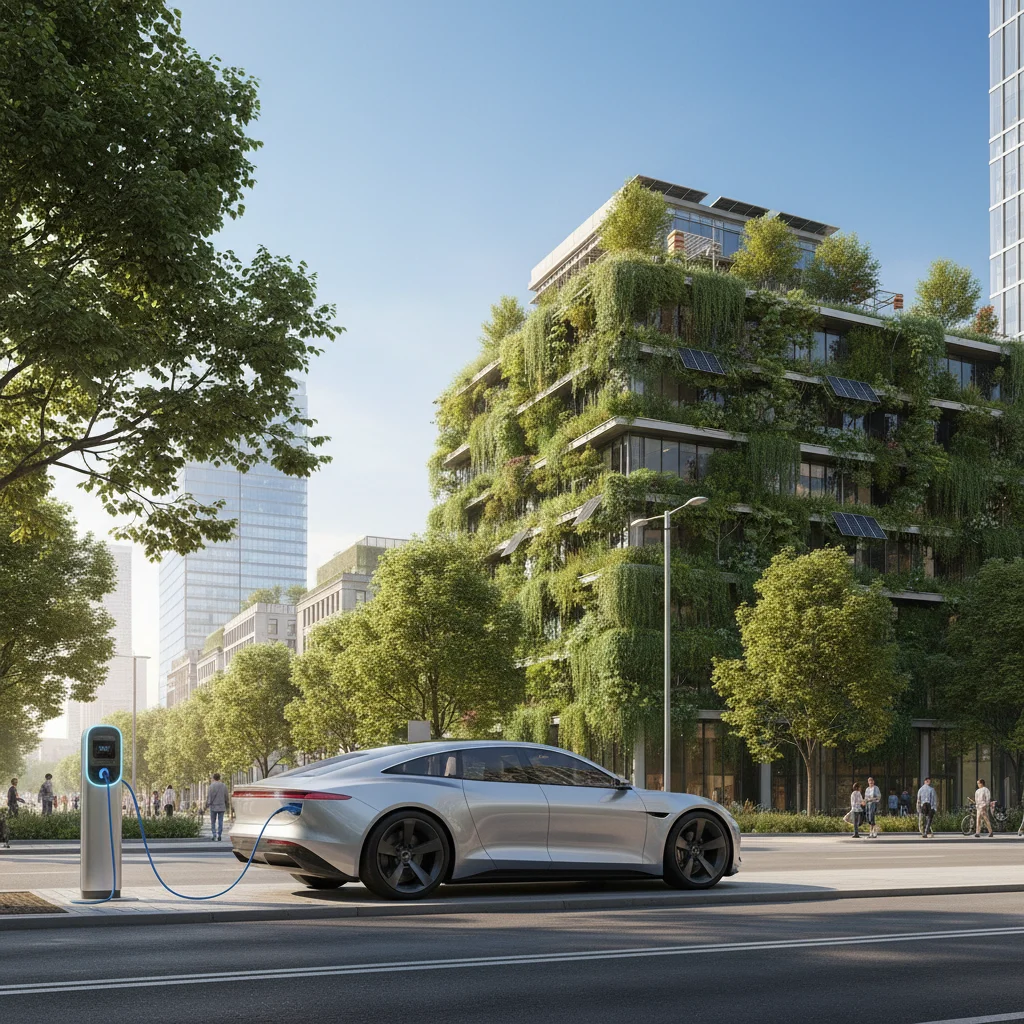
The automotive landscape is continually evolving, driven by technological advancements, consumer demands, and increasingly, stringent environmental regulations. Among the most significant of these regulations are the emissions standards set by the Environmental Protection Agency (EPA). As we approach the mid-2020s, the focus is sharply turning to the 2026 EPA Emissions standards, which are poised to bring about substantial changes across the entire vehicle market. These new rules are not merely minor adjustments; they represent a significant push towards a cleaner, more sustainable transportation future, impacting everything from vehicle design and manufacturing to consumer choices and the very air we breathe.
Anúncios
Understanding these upcoming regulations is crucial for automakers, suppliers, dealerships, and even the average car buyer. The implications extend beyond just tailpipe emissions, influencing fuel efficiency, the adoption of electric vehicles (EVs), and the overall innovation trajectory of the industry. This comprehensive guide will delve into the specifics of the 2026 EPA Emissions standards, detailing which vehicle models will be affected, the technological shifts required for compliance, and the broader economic and environmental impacts. We will explore the nuances of these regulations, providing clarity on what to expect as the deadline approaches and how the automotive world is preparing for this pivotal transition.
Anúncios
The Evolution of EPA Emissions Standards: A Historical Perspective
To fully appreciate the significance of the 2026 EPA Emissions standards, it’s helpful to look back at the history of environmental regulation in the automotive sector. The EPA was established in 1970, and one of its primary mandates was to protect human health and the environment by regulating air pollution. The Clean Air Act, passed in the same year, provided the legal framework for setting national ambient air quality standards and controlling emissions from various sources, including motor vehicles.
Early emissions standards primarily targeted conventional pollutants like carbon monoxide (CO), hydrocarbons (HC), and nitrogen oxides (NOx), which are known contributors to smog and respiratory issues. Over the decades, these standards have become progressively stricter, driving innovations such as catalytic converters, electronic fuel injection, and advanced engine management systems. Each new set of regulations has pushed automakers to develop cleaner technologies, leading to significant reductions in vehicle emissions and improvements in air quality across the United States.
The journey from the rudimentary emission controls of the 1970s to today’s highly sophisticated systems highlights a continuous commitment to environmental protection. These historical precedents set the stage for the current push towards even more ambitious targets, with a growing emphasis on greenhouse gas (GHG) emissions, particularly carbon dioxide (CO2), which is a primary driver of climate change. The 2026 EPA Emissions standards are a direct continuation of this progressive trend, reflecting a global imperative to decarbonize transportation and mitigate the effects of climate change.
Understanding this historical context underscores the fact that these regulations are not arbitrary but are part of a long-term strategy to achieve cleaner air and a healthier planet. The automotive industry has consistently adapted to these changes, demonstrating remarkable ingenuity in meeting challenging environmental targets. The 2026 EPA Emissions standards represent the next major hurdle, and the industry’s response will undoubtedly shape the future of mobility for decades to come.
Unpacking the 2026 EPA Emissions Standards: Key Targets and Requirements
The core of the 2026 EPA Emissions standards revolves around reducing both conventional pollutants and greenhouse gases, with a particular focus on CO2. These regulations are part of a broader strategy to accelerate the transition to zero-emission vehicles (ZEVs), primarily electric vehicles. While the exact final rules can be complex and subject to adjustments, the overarching goals are clear: significantly reduce tailpipe emissions across the new vehicle fleet.
One of the most impactful aspects of the 2026 EPA Emissions standards is the tightening of fleet-wide average emissions targets. This means that automakers must ensure that the average emissions of all vehicles they sell in a given year meet certain thresholds. This approach incentivizes manufacturers to produce and sell a higher proportion of low-emission and zero-emission vehicles to offset the emissions from their internal combustion engine (ICE) offerings. The specific targets involve a reduction in grams of CO2 per mile, which translates directly to improved fuel economy and reduced carbon footprint.
Beyond CO2, the standards also address other harmful pollutants. While many conventional pollutants have seen substantial reductions over the years, ongoing efforts are necessary to address remaining challenges, especially in urban areas. The EPA’s holistic approach ensures that the environmental benefits are comprehensive, tackling both local air quality issues and global climate change concerns. For 2026 EPA Emissions compliance, manufacturers will need to demonstrate not only improved fuel efficiency but also advanced emissions control technologies across their entire model lineup.
The regulations are designed to be technology-neutral, meaning they specify the desired outcomes (lower emissions) rather than dictating the specific technologies automakers must use. This allows for innovation and flexibility, enabling manufacturers to pursue various pathways to compliance, whether through advanced ICE technologies, hybrid powertrains, plug-in hybrids, or battery electric vehicles. However, the stringency of the targets makes it increasingly difficult to meet them solely with traditional gasoline or diesel engines, effectively pushing the industry towards electrification.
Understanding these targets is the first step for automakers in planning their product portfolios and investment strategies for the coming years. The 2026 EPA Emissions standards are not just a regulatory hurdle; they are a catalyst for profound transformation within the automotive industry, compelling a shift towards more sustainable and environmentally friendly transportation solutions.
Which Vehicle Models Need to Comply by Next Year?
The short answer is: virtually all new light-duty vehicles sold in the United States for the 2026 model year will need to comply with the new EPA emissions standards. This includes a broad spectrum of vehicles, from compact sedans and family SUVs to light-duty trucks and vans. The regulations are not selectively applied; rather, they encompass the entire fleet of new vehicles that automakers offer to the public.
Specifically, the 2026 EPA Emissions standards apply to:
- Passenger Cars: All new sedans, hatchbacks, coupes, and convertibles must meet the updated emissions and fuel economy targets. This will likely push manufacturers to electrify more of their passenger car offerings, either through hybrid variants or fully electric models.
- Light-Duty Trucks and SUVs: This category, which includes crossovers, SUVs, and pickup trucks (up to a certain gross vehicle weight rating), is particularly significant given their popularity in the U.S. market. Historically, these vehicles have faced slightly less stringent standards than passenger cars, but the gap is closing. Manufacturers will need to invest heavily in making these larger vehicles more efficient and cleaner, leading to more hybrid and electric SUV and truck options.
- Vans: Commercial and passenger vans within the light-duty classification are also subject to these new rules. This will impact businesses and fleets that rely on these vehicles, encouraging them to consider more efficient or electric alternatives.
It’s important to note that these regulations apply to new vehicles. Older models already on the road are not retroactively subject to these new standards. However, the availability of cleaner new vehicles will gradually replace the older, more polluting fleet over time, contributing to overall air quality improvements. The push for 2026 EPA Emissions compliance is about shaping the future fleet, not penalizing past vehicle purchases.
Automakers are already well into the design and engineering phases for their 2026 model year vehicles. The decisions made now regarding powertrains, vehicle platforms, and technological investments will determine their ability to meet these impending standards. Consumers can expect to see a continued expansion of hybrid and electric vehicle options across all segments, as manufacturers strategically deploy these technologies to achieve fleet-wide compliance. The diversity of compliant models will likely increase, offering consumers more choices that align with environmental goals.
Technological Innovations Driving Compliance with 2026 EPA Emissions
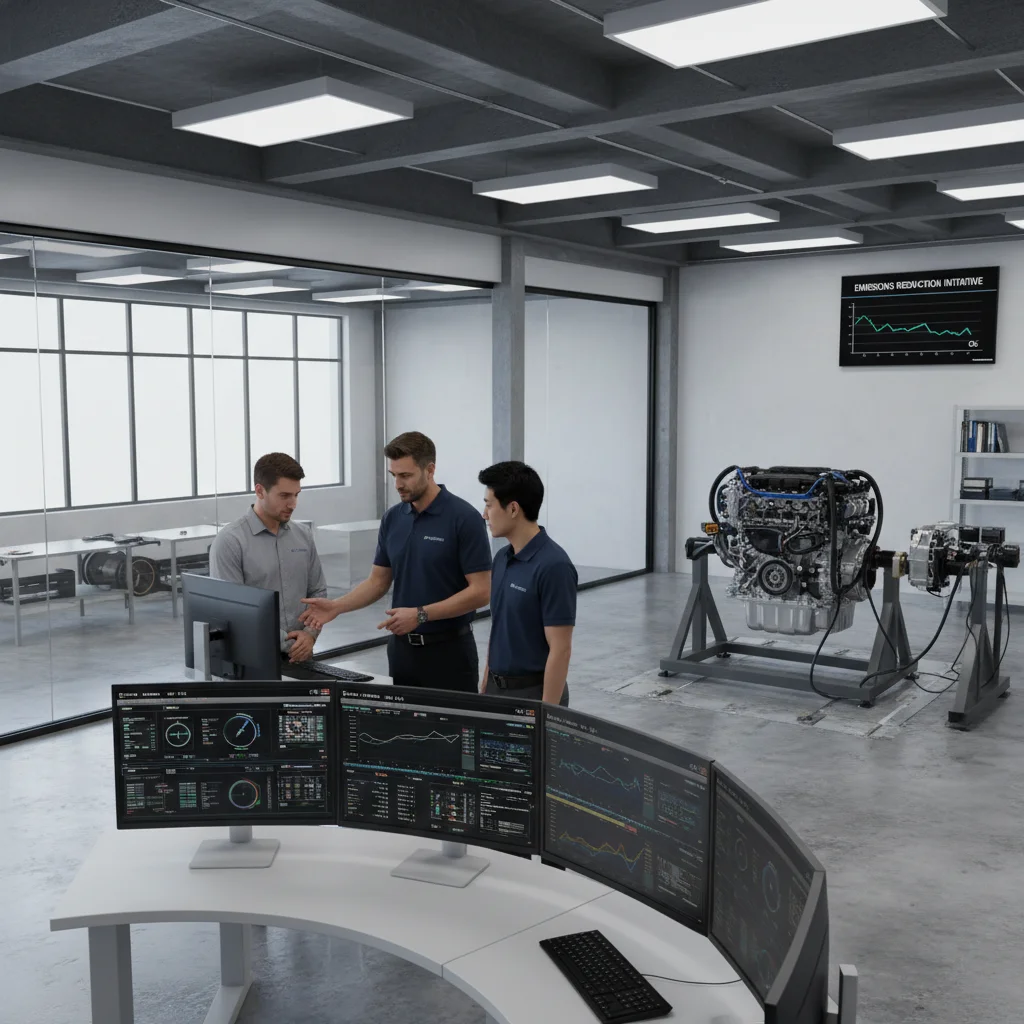
Meeting the rigorous 2026 EPA Emissions standards necessitates a multi-faceted approach to technological innovation. Automakers are not relying on a single solution but rather a combination of advancements across various vehicle types and powertrains. The primary drivers of compliance can be categorized into several key areas:
1. Advanced Internal Combustion Engines (ICE)
While the long-term trend is towards electrification, ICE vehicles will still constitute a significant portion of the market in 2026. To make these engines compliant, manufacturers are pushing the boundaries of traditional engine design. This includes:
- Improved Thermal Efficiency: Technologies like higher compression ratios, advanced turbocharging, and variable valve timing are being optimized to extract more power from less fuel, thereby reducing CO2 emissions.
- Advanced Fuel Injection Systems: Direct injection and higher-pressure fuel systems ensure more precise fuel delivery and combustion, leading to fewer pollutants and better efficiency.
- Enhanced Emissions Control Systems: More sophisticated catalytic converters, particulate filters (even for gasoline engines), and exhaust gas recirculation (EGR) systems are being developed to further reduce NOx, CO, and HC emissions.
- Lightweighting: Reducing vehicle weight through the use of lighter materials (aluminum, high-strength steel, composites) improves fuel economy and, consequently, lowers emissions.
2. Hybrid and Plug-in Hybrid Electric Vehicles (PHEVs)
Hybrid technology offers a bridge between conventional ICE vehicles and fully electric ones. For the 2026 EPA Emissions standards, hybrids and PHEVs will play a crucial role in helping manufacturers achieve their fleet-wide targets.
- Mild Hybrids: These systems use a small electric motor to assist the gasoline engine, providing boosts during acceleration and allowing for engine-off coasting and stop-start functionality, significantly improving fuel economy.
- Full Hybrids: Capable of driving short distances on electric power alone, full hybrids offer more substantial emissions reductions and better fuel efficiency, especially in city driving.
- Plug-in Hybrids (PHEVs): PHEVs combine an electric motor and battery with a gasoline engine, offering a significant electric-only range. This allows for zero-emission commuting for many drivers, while the gasoline engine provides range assurance for longer trips. PHEVs are particularly valuable for 2026 EPA Emissions compliance due to their ability to operate without tailpipe emissions for extended periods.
3. Battery Electric Vehicles (BEVs)
BEVs are the ultimate solution for zero tailpipe emissions and are central to meeting the most ambitious 2026 EPA Emissions targets. The rapid advancements in battery technology, motor efficiency, and charging infrastructure are making BEVs increasingly viable and appealing. Automakers are investing billions in developing dedicated EV platforms, expanding their model lineups, and scaling up battery production. The increased adoption of BEVs will be the most direct path to achieving significant reductions in fleet-wide CO2 emissions.
4. Fuel Cell Electric Vehicles (FCEVs)
While currently a niche market, FCEVs, which use hydrogen to generate electricity, also offer zero tailpipe emissions. Continued research and development in this area could see FCEVs play a more significant role in the long term, particularly for larger vehicles or specific use cases where fast refueling is critical. Their contribution to 2026 EPA Emissions compliance will likely be smaller than BEVs but still represents a valuable zero-emission pathway.
The combination of these technological advancements demonstrates the industry’s commitment to innovation in response to regulatory pressures. The 2026 EPA Emissions standards are not just about meeting a number; they are about fostering a new era of automotive engineering focused on sustainability and efficiency.
Impact on Automakers and the Automotive Industry
The 2026 EPA Emissions standards will undoubtedly have a profound impact on automakers, driving significant changes in strategy, investment, and product development. The stakes are high, as failure to comply can result in hefty fines and reputational damage.
Strategic Shifts and Investments
Automakers are already reorienting their long-term strategies to prioritize electrification and emissions reduction. This involves massive investments in:
- Research and Development: Billions are being poured into developing new battery technologies, electric motors, charging systems, and advanced materials.
- Manufacturing Infrastructure: Factories are being retooled and new ones built to produce electric vehicles and their components, including battery Gigafactories.
- Supply Chains: Securing critical raw materials for batteries (lithium, cobalt, nickel) and building robust supply chains for EV components are paramount.
- Talent Acquisition: A new skillset is required, leading to a demand for engineers and technicians specializing in electrical systems, software, and battery technology.
The 2026 EPA Emissions standards accelerate this transition, forcing companies to make bold moves and potentially consolidate resources to meet the aggressive timelines.
Product Portfolio Transformation
The vehicle lineups offered by manufacturers will look significantly different by 2026. We can expect:
- More EV Models: A rapid expansion of battery electric vehicle offerings across all segments, from entry-level cars to luxury SUVs and pickup trucks.
- Increased Hybridization: Many popular ICE models will likely gain hybrid or plug-in hybrid variants to improve their efficiency and lower their fleet-average emissions.
- Phasing Out of Less Efficient Models: Automakers may discontinue some gasoline-only models that are difficult or too costly to make compliant, especially those with lower sales volumes.
- Focus on Efficiency for ICE: Even remaining ICE vehicles will feature the most advanced fuel-saving and emissions-reducing technologies available.
Competitive Landscape
The 2026 EPA Emissions standards will intensify competition. Companies that are agile and have invested early in electrification may gain a significant advantage. New players, particularly EV startups, will continue to challenge established automakers. The standards also create opportunities for suppliers of EV components, charging infrastructure, and advanced materials.
Economic Implications
While the transition requires substantial investment, it also promises new economic opportunities. Job creation in green manufacturing, battery production, and charging infrastructure development is anticipated. However, there could be challenges for regions heavily reliant on traditional automotive manufacturing, necessitating retraining and economic diversification efforts. The overall goal is to drive innovation and create a sustainable automotive industry for the future, with the 2026 EPA Emissions regulations serving as a key policy lever.
Consumer Considerations: What the 2026 EPA Emissions Mean for Car Buyers
For the average car buyer, the 2026 EPA Emissions standards translate into a variety of changes and considerations when purchasing a new vehicle. While the regulations are primarily aimed at manufacturers, their effects will ripple down to the consumer level, influencing vehicle availability, pricing, and ownership experience.
Increased Availability of Efficient and Electric Vehicles
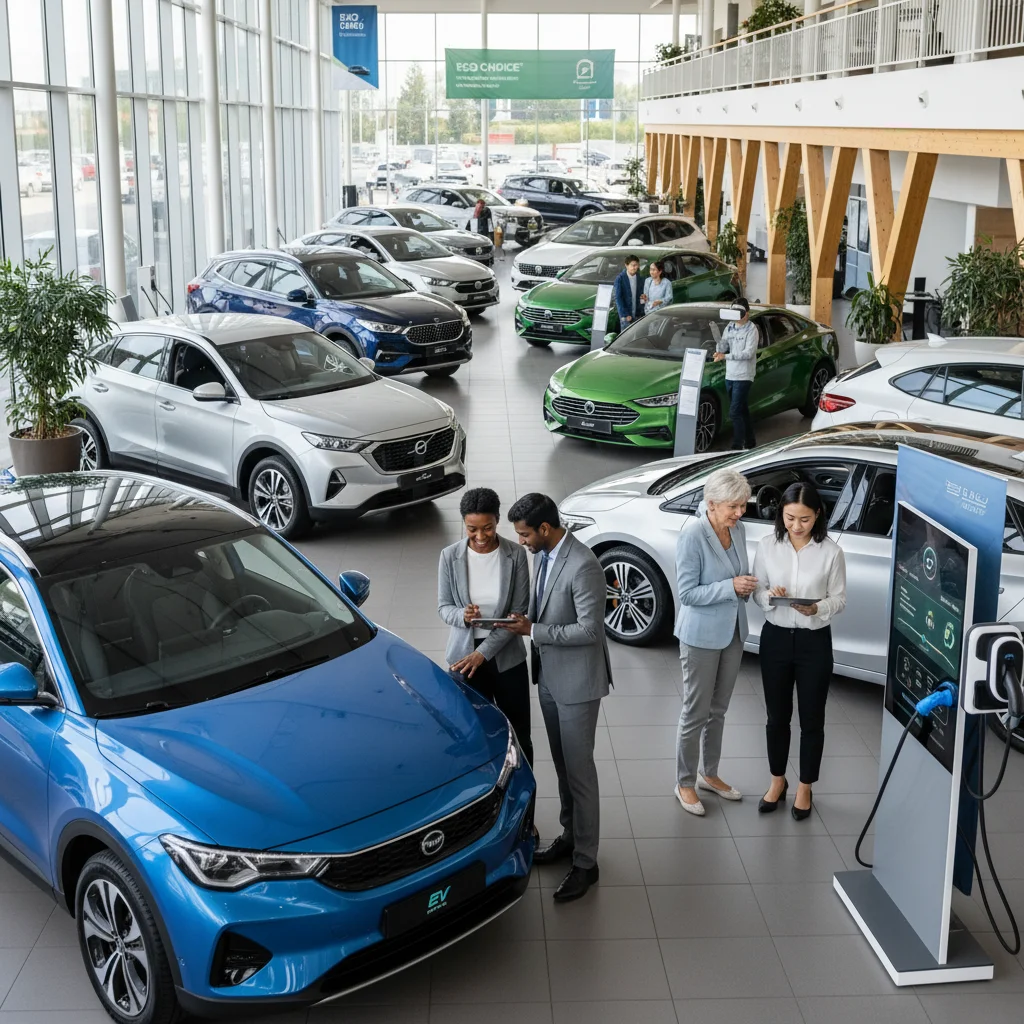
Perhaps the most noticeable change for consumers will be the proliferation of hybrid, plug-in hybrid, and fully electric vehicle options. Automakers will be incentivized to offer a wider range of these models across different price points and vehicle segments to meet their fleet-wide emissions targets. This means that by 2026, buyers will have more choices than ever before if they are looking for a vehicle with lower or zero tailpipe emissions.
Potential Impact on Vehicle Pricing
The advanced technologies required to meet the 2026 EPA Emissions standards, whether in advanced ICE vehicles or EVs, often come with higher manufacturing costs. These costs can, to some extent, be passed on to consumers. However, increased competition among manufacturers and economies of scale as EV production ramps up may help mitigate significant price hikes. Additionally, various government incentives (tax credits, rebates) for purchasing electric and plug-in hybrid vehicles are likely to continue, helping to offset the initial purchase price for many consumers.
Fuel Savings and Lower Running Costs
One of the most attractive benefits for consumers will be the potential for significant fuel savings. More efficient gasoline vehicles will consume less fuel, while hybrid and electric vehicles offer even greater reductions in energy costs, especially when charging at home. Over the lifetime of a vehicle, these savings can offset a higher initial purchase price, making greener options more economically viable in the long run. The 2026 EPA Emissions push is effectively a push towards lower operating costs for drivers.
Changes in Driving Experience
Driving an electric or highly efficient hybrid vehicle often provides a different experience than a traditional gasoline car. EVs, for example, offer instant torque, quiet operation, and a smooth ride. While range anxiety was once a major concern, improving battery technology and expanding charging infrastructure are making EVs increasingly practical for daily use and longer journeys. Consumers will need to consider their driving habits and access to charging when making purchasing decisions.
Environmental Benefits
Beyond personal financial savings, consumers who choose compliant vehicles contribute directly to environmental protection. Reduced emissions lead to cleaner air, fewer health problems associated with air pollution, and a step forward in combating climate change. For many, the ability to make an environmentally responsible choice will be a significant factor in their purchasing decision, aligning with the goals of the 2026 EPA Emissions regulations.
Challenges and Opportunities for 2026 EPA Emissions Compliance
While the 2026 EPA Emissions standards present a clear path toward a cleaner future, the journey is not without its challenges. However, these challenges often come hand-in-hand with significant opportunities for growth and innovation.
Challenges:
- Technological Hurdles: Developing and integrating advanced technologies at scale, particularly for battery production and charging infrastructure, requires overcoming complex engineering and logistical challenges. Ensuring the performance and durability of these new systems is paramount.
- Supply Chain Constraints: The rapid increase in demand for critical materials like lithium, nickel, and cobalt for EV batteries poses challenges for sourcing and refining. Geopolitical factors and ethical sourcing concerns also play a role.
- Consumer Adoption: While EV adoption is growing, concerns about range, charging availability, and initial cost still exist for a segment of the population. Educating consumers and building confidence in new technologies is crucial.
- Infrastructure Development: A robust and widespread charging infrastructure is essential for the widespread adoption of EVs. This requires significant investment from both public and private sectors, as well as coordinated planning.
- Regulatory Complexity: Navigating a patchwork of federal and state-level regulations, along with international standards, can add complexity for global automakers.
Opportunities:
- Innovation and R&D: The stringent 2026 EPA Emissions standards act as a powerful catalyst for innovation, pushing automakers and suppliers to develop groundbreaking technologies that can lead to new products, services, and business models.
- Market Leadership: Companies that successfully adapt and embrace the transition to cleaner vehicles can establish themselves as leaders in the evolving automotive market, gaining a competitive edge.
- Economic Growth: The shift towards electrification creates new industries and job opportunities in battery manufacturing, charging infrastructure, renewable energy, and related services.
- Environmental Benefits: Achieving the 2026 EPA Emissions targets will lead to substantial improvements in air quality, reducing respiratory illnesses and improving public health. It also contributes significantly to global efforts to combat climate change.
- Brand Enhancement: Automakers demonstrating a strong commitment to sustainability and environmental responsibility can enhance their brand image and appeal to a growing segment of environmentally conscious consumers.
The ability to navigate these challenges while capitalizing on the opportunities will determine which automakers thrive in the coming years. The 2026 EPA Emissions regulations are not just a mandate; they are an invitation to innovate and reshape the future of transportation.
The Road Ahead: Beyond 2026 EPA Emissions
The 2026 EPA Emissions standards are a significant milestone, but they are by no means the final destination. Environmental regulations are expected to become even more stringent in the years and decades to come, reflecting a global commitment to achieving carbon neutrality and addressing climate change. Automakers are already looking beyond 2026, planning for 2030, 2035, and even 2050 targets.
Future regulations will likely continue to push for a higher percentage of zero-emission vehicle sales, eventually leading to a near-complete phase-out of new internal combustion engine vehicles in many markets. This long-term trajectory signals a fundamental transformation of the automotive industry, moving from a fossil-fuel-dependent model to one powered by renewable energy and advanced electric technologies.
Key areas of focus for the future will include:
- Battery Technology Advancements: Continued improvements in energy density, charging speed, cost reduction, and sustainability of battery materials.
- Circular Economy Principles: Greater emphasis on recycling and reusing battery components and other vehicle materials to minimize environmental impact throughout the vehicle lifecycle.
- Smart Charging and Grid Integration: Developing intelligent charging solutions that optimize energy consumption, support grid stability, and leverage renewable energy sources.
- Autonomous and Connected Vehicles: Integrating emission reduction strategies with autonomous driving and vehicle-to-infrastructure (V2I) communication to optimize traffic flow and energy efficiency.
- Alternative Fuels: While EVs are leading the charge, research into other low-carbon fuels, such as synthetic fuels or advanced biofuels for specific applications, may also continue.
The 2026 EPA Emissions standards are a crucial stepping stone in this larger transition. They provide a clear signal to the industry and consumers about the direction of travel. The collaborative efforts between regulators, automakers, technology providers, and consumers will be essential in navigating this complex but vital transformation. The goal remains a future where transportation is clean, efficient, and sustainable, contributing positively to both public health and planetary well-being.
Conclusion: A Greener Automotive Future Driven by 2026 EPA Emissions
The 2026 EPA Emissions standards represent a pivotal moment for the automotive industry and for environmental protection. By setting ambitious targets for reducing both conventional pollutants and greenhouse gases, these regulations are accelerating the shift towards a cleaner, more sustainable transportation future. Virtually all new light-duty vehicles introduced for the 2026 model year will need to comply, pushing automakers to innovate across their entire product portfolios.
From advanced internal combustion engines and sophisticated hybrid powertrains to the rapid expansion of battery electric vehicles, technological innovation is at the forefront of this transformation. While challenges related to investment, supply chains, and consumer adoption exist, the opportunities for economic growth, market leadership, and significant environmental benefits are immense. Consumers can look forward to a wider array of efficient and electric vehicle choices, leading to potential fuel savings and a reduced carbon footprint.
As we move beyond 2026, these standards will serve as a foundation for even more stringent regulations, guiding the industry towards a fully decarbonized future. The collective effort to meet and exceed the 2026 EPA Emissions targets is a testament to the ongoing commitment to public health and a healthier planet. The road ahead is dynamic and challenging, but ultimately, it leads to a greener, more sustainable automotive landscape for generations to come.